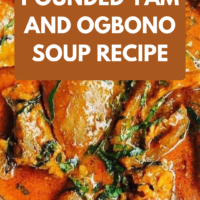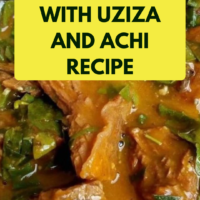

This Edikaikong soup recipe holds a very special place in my kitchen and my heart.
If you love rich, hearty Nigerian soups that are packed with vegetables and deep traditional flavors, then this recipe is for you. Edikaikong soup originates from the Efik and Ibibio people of Cross River and Akwa Ibom States in Nigeria, and it is widely regarded as one of the healthiest Nigerian soups.
I personally love this soup because it is loaded with leafy greens, generously cooked with assorted meats, seafood, and palm oil, yet still feels wholesome and nourishing. The combination of pumpkin leaves (ugu) and waterleaf gives the soup its signature taste and texture. When prepared correctly, Edikaikong soup is thick, colorful, aromatic, and incredibly satisfying.
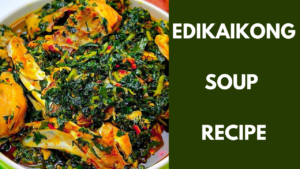
In this detailed guide, I will walk you through my tried-and-tested Edikaikong soup recipe, explaining each step clearly so you can recreate this classic Nigerian dish perfectly at home, even if it’s your first time making it.
Ingredients for Edikaikong Soup Recipe
One beautiful thing about this Edikaikong soup recipe is that it is very flexible. You can adjust the quantities based on your taste and the number of people you are cooking for. Below is the ingredient list I personally use for a rich and authentic pot of Edikaikong soup.
Main Ingredients
- 2 large bunches of pumpkin leaves (ugu), finely sliced
- 1 large bunch of waterleaf, washed and chopped
- 1.5 kg assorted meat (beef, shaki, cowleg, or goat meat)
- 300 g stockfish (pre-soaked and cleaned)
- 200 g dry fish, washed and deboned
- 1 to 1½ cups palm oil (adjust to preference)
- 2 tablespoons ground crayfish
- 2–3 scotch bonnet peppers (blended)
- 2 medium onions (one for boiling meat, one blended)
- 2 seasoning cubes (or to taste)
- Salt to taste
Optional Additions
- Periwinkle (shelled and cleaned)
- Smoked fish for extra depth of flavor
- Pomo (cow skin) for added texture
Instructions: How to Cook Edikaikong Soup
This Edikaikong soup recipe is best cooked slowly to allow the flavors to fully develop.
Follow these steps carefully, and you’ll end up with a delicious, well-balanced soup.
- Season and cook the meat:
Wash the assorted meat thoroughly and place it in a pot. Add chopped onions, seasoning cubes, and salt. Cook on medium heat until the meat is tender and releases its natural stock. Add a little water only if necessary. - Add stockfish and dry fish:
Once the meat is almost tender, add the soaked stockfish and dry fish. Continue cooking until everything is soft and well combined. Taste the stock and adjust seasoning if needed. - Add palm oil:
Pour in the palm oil and allow it to cook with the meat and fish for about 5–7 minutes. This step helps the oil blend properly with the stock and enhances the soup’s color and flavor. - Add pepper, crayfish, and onions:
Stir in the blended pepper, ground crayfish, and remaining onions. Let the mixture cook for another 5 minutes, stirring occasionally to prevent burning. - Add waterleaf first:
Add the chopped waterleaf to the pot. Waterleaf releases a lot of moisture, which helps balance the soup. Stir well and allow it to cook for about 3–4 minutes. - Add pumpkin leaves (ugu):
Finally, add the sliced pumpkin leaves. Stir gently until everything is well combined. Allow the soup to simmer for 3–5 minutes. Avoid overcooking to preserve the nutrients and vibrant green color. - Final taste check:
Taste the soup one last time and adjust salt or seasoning if necessary. Turn off the heat once the vegetables are perfectly cooked.
Tips and Variations for the Perfect Edikaikong Soup Recipe
Over the years, I’ve learned a few helpful tricks that make this Edikaikong soup recipe even better. These tips will help you customize the soup to your liking while keeping it authentic.
- Do not overcook the vegetables:
Edikaikong soup is all about fresh greens. Overcooking will make them soggy and dull in color. - Use quality palm oil:
Good palm oil makes a huge difference in taste and appearance. Avoid bleached or overly processed oil. - Adjust the oil quantity:
Traditionally, Edikaikong soup is rich, but you can reduce the palm oil for a lighter version. - Add seafood for variety:
Shrimp, prawns, or periwinkle can elevate your Edikaikong soup recipe and add more layers of flavor. - Serve hot:
This soup tastes best when served hot with freshly prepared swallows.
Conclusion
This Edikaikong soup recipe is more than just a meal; it’s a celebration of Nigerian culinary heritage. I love how filling, nutritious, and comforting it is, especially when shared with family and friends. Whether you’re cooking for a special occasion or just craving a hearty vegetable soup, Edikaikong soup never disappoints.
I encourage you to try this recipe in your own kitchen and make it your own by adjusting the ingredients to suit your taste. Serve it with pounded yam, fufu, garri, or semovita, and enjoy every spoonful.
If you enjoyed this guide, feel free to bookmark it and share it with other lovers of authentic Nigerian food. Happy cooking!
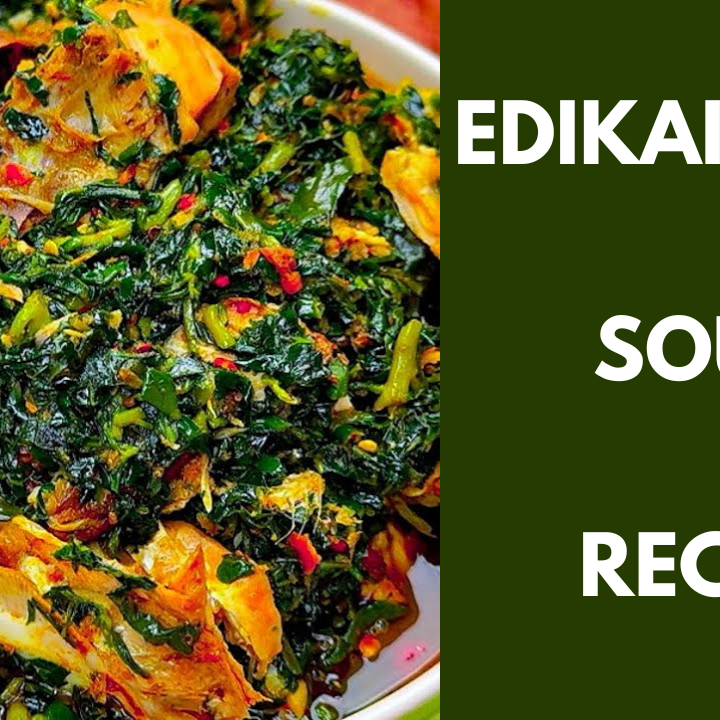
Edikaikong Soup Recipe (Edikang Ikong)
Edikaikong soup recipe holds a very special place in my kitchen and my heart. If you love rich, hearty Nigerian soups that are packed with vegetables and deep traditional flavors,
Ingredients
- 2 large bunches of pumpkin leaves (ugu), finely sliced
- 1 large bunch of waterleaf, washed and chopped
- 1.5 kg assorted meat (beef, shaki, cowleg, or goat meat)
- 300 g stockfish (pre-soaked and cleaned)
- 200 g dry fish, washed and deboned
- 1 to 1½ cups palm oil (adjust to preference)
- 2 tablespoons ground crayfish
- 2–3 scotch bonnet peppers (blended)
- 2 medium onions (one for boiling meat, one blended)
- 2 seasoning cubes (or to taste)
- Salt to taste
Optional Additions
- Periwinkle (shelled and cleaned)
- Smoked fish for extra depth of flavor
- Pomo (cow skin) for added texture
Instructions
- Season and cook the meat:Wash the assorted meat thoroughly and place it in a pot. Add chopped onions, seasoning cubes, and salt.Cook on medium heat until the meat is tender and releases its natural stock. Add a little water only if necessary.
- Add stockfish and dry fish:Once the meat is almost tender, add the soaked stockfish and dry fish. Continue cooking until everything is softand well combined. Taste the stock and adjust seasoning if needed.
- Add palm oil:Pour in the palm oil and allow it to cook with the meat and fish for about 5–7 minutes.This step helps the oil blend properly with the stock and enhances the soup’s color and flavor.
- Add pepper, crayfish, and onions:Stir in the blended pepper, ground crayfish, and remaining onions. Let the mixture cook for another 5 minutes,stirring occasionally to prevent burning.
- Add waterleaf first:Add the chopped waterleaf to the pot. Waterleaf releases a lot of moisture, which helps balance the soup.Stir well and allow it to cook for about 3–4 minutes.
- Add pumpkin leaves (ugu):Finally, add the sliced pumpkin leaves. Stir gently until everything is well combined.Allow the soup to simmer for 3–5 minutes. Avoid overcooking to preserve the nutrients and vibrant green color.
- Final taste check:Taste the soup one last time and adjust salt or seasoning if necessary. Turn off the heat once the vegetablesare perfectly cooked.
Nutrition Information:
Yield: 6 Serving Size: 1Amount Per Serving: Calories: 669Total Fat: 34gSaturated Fat: 13gUnsaturated Fat: 22gCholesterol: 252mgSodium: 396mgCarbohydrates: 9gFiber: 1gSugar: 4gProtein: 81g