

If you’ve ever cooked Nigerian beans dishes like moi moi, akara, bean porridge, or gbegiri, you already know that honey beans require a bit of patience. Knowing how to parboil honey beans (the African way) is a kitchen skill that saves time, fuel, and stress. This traditional method has been passed down in many African homes, especially in West Africa, where beans are a staple food.
I learned this method from watching older relatives cook large pots of beans over firewood. Instead of cooking beans endlessly, they used parboiling to soften the outer skin, reduce cooking time, and make peeling much easier. Today, I still rely on this same approach because it works every single time.
Parboiling honey beans the African way is not about fancy equipment or complicated steps. It’s about understanding the beans, controlling heat, and using water wisely. The result is tender beans with better texture, improved flavor absorption, and significantly shorter cooking time for whatever recipe comes next.
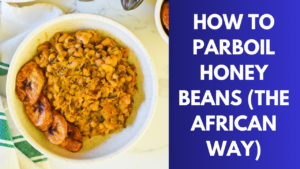
How to Parboil Honey Beans (The African Way)
Ingredients
- 4 cups honey beans (brown Nigerian honey beans)
- Water (enough to cover beans generously)
Instructions
- Sort the honey beans carefully.
Pour the honey beans onto a clean tray or flat surface and pick out stones, dirt, and damaged beans. This step is very important because honey beans are often sold in open markets where debris can mix in. - Rinse thoroughly.
Transfer the sorted beans into a bowl and rinse several times with clean water. Swirl with your hand and drain until the water runs mostly clear. - Place beans in a pot.
Pour the washed honey beans into a large pot. Add enough water to cover the beans by at least 2–3 inches. Do not add salt at this stage. - Boil on high heat.
Place the pot on medium-high heat and allow the beans to boil vigorously. This initial boiling is key when learning how to parboil honey beans (the African way). - Boil for 15–20 minutes.
Let the beans boil uncovered for about 15 to 20 minutes. During this time, the skins will begin to loosen, and the beans will partially soften. - Check the beans.
Scoop out a few beans and press them between your fingers. They should still be firm inside but slightly soft on the outside. The skin may already be separating. - Drain the hot water.
Once the beans reach this stage, remove the pot from heat and carefully drain all the hot water. This step stops the cooking process and prevents the beans from becoming mushy. - Rinse with fresh water.
Rinse the parboiled beans once or twice with clean water. This helps remove excess starch and loose skins. - Your honey beans are now parboiled.
At this point, the beans are ready to be peeled, further cooked, or used in any Nigerian or African beans recipe of your choice.
Tips or Variations
Why parboiling honey beans matters
Parboiling reduces the overall cooking time significantly. If you skip this step, honey beans can take well over an hour to cook fully. This traditional method also improves digestibility and reduces the “heavy” feeling beans sometimes cause.
For easy peeling
If your goal is to make moi moi or akara, parboiling makes peeling much easier. After parboiling, soak the beans briefly and rub them between your palms to remove the skins effortlessly.
Using parboiled beans immediately
Once you master how to parboil honey beans (the African way), you can move straight into cooking dishes like bean porridge, stewed beans, or gbegiri. Just add fresh water and continue cooking until tender.
Cooking with firewood vs gas
Traditionally, this method was done over firewood, which gives a slightly smoky aroma. However, gas or electric stoves work just as well. The key is maintaining a strong initial boil.
Storage tip
Parboiled honey beans can be stored in the refrigerator for up to 2 days or frozen for later use. This is helpful if you cook beans often and want to save time during the week.
Conclusion
Learning how to parboil honey beans (the African way) is one of those simple kitchen skills that makes a big difference. It saves cooking time, fuel, and effort while giving you better results in all your favorite beans dishes.
I love this method because it stays true to tradition while fitting perfectly into modern kitchens. Whether you’re cooking for your family or preparing beans for a special occasion, parboiling is the foundation for success.
Try this method the next time you cook honey beans, and you’ll quickly see why it has remained a trusted African cooking technique for generations. Happy cooking!
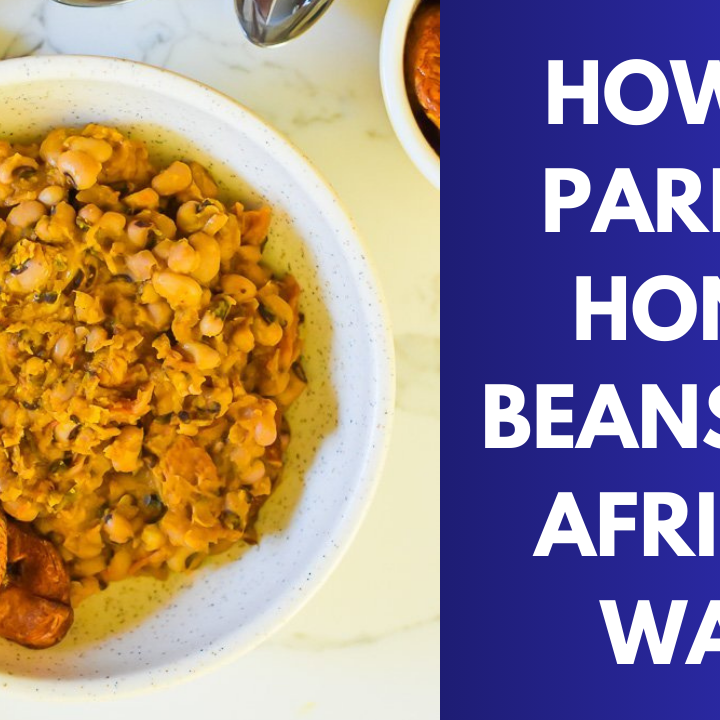
How to Parboil Honey Beans (the African Way)
Knowing how to parboil honey beans (the African way) is a kitchen skill that saves time, fuel, and stress. This traditional method has been passed down in many African homes, especially in West Africa, where beans are a staple food.
Ingredients
- 4 cups honey beans (brown Nigerian honey beans)
- Water (enough to cover beans generously)
Instructions
- Sort the honey beans carefully.Pour the honey beans onto a clean tray or flat surface and pick out stones, dirt, and damaged beans. This step is very important because honey beans are often sold in open markets where debris can mix in.
- Rinse thoroughly.Transfer the sorted beans into a bowl and rinse several times with clean water. Swirl with your hand and drain until the water runs mostly clear.
- Place beans in a pot.Pour the washed honey beans into a large pot. Add enough water to cover the beans by at least 2–3 inches. Do not add salt at this stage.
- Boil on high heat.Place the pot on medium-high heat and allow the beans to boil vigorously. This initial boiling is key when learning how to parboil honey beans (the African way).
- Boil for 15–20 minutes.Let the beans boil uncovered for about 15 to 20 minutes. During this time, the skins will begin to loosen, and the beans will partially soften.
- Check the beans.Scoop out a few beans and press them between your fingers. They should still be firm inside but slightly soft on the outside. The skin may already be separating.
- Drain the hot water.Once the beans reach this stage, remove the pot from heat and carefully drain all the hot water. This step stops the cooking process and prevents the beans from becoming mushy.
- Rinse with fresh water.Rinse the parboiled beans once or twice with clean water. This helps remove excess starch and loose skins.
- Your honey beans are now parboiled.At this point, the beans are ready to be peeled, further cooked, or used in any Nigerian or African beans recipe of your choice.