

Edikaikong soup with snail is one of those dishes that instantly takes me back
to home. The first time I cooked this soup on my own, I truly understood why it is
considered a pride of the Efik and Ibibio people of Southern Nigeria. From the
deep green color of the vegetables to the rich aroma of palm oil, stockfish, and
seafood, this soup is pure comfort in a bowl.
What makes edikaikong soup with snail special is the generous use
of fresh leafy vegetables combined with assorted proteins. The snail adds a unique,
slightly chewy texture and a natural sweetness that elevates the entire dish.
Every spoonful feels hearty, nourishing, and deeply satisfying. I love this soup
because it is not only delicious but also packed with nutrients.
In this recipe, I will walk you through exactly how I prepare edikaikong soup with
snail for my family. I will share personal tips, common mistakes to avoid, and
variations you can try if you want to adjust the soup to your taste. Whether you
are cooking it for a special occasion or a relaxed weekend meal, this recipe will
guide you step by step.
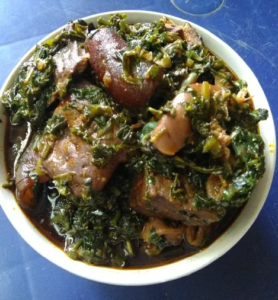
Ingredients for Edikaikong Soup with Snail
One thing I always emphasize when cooking edikaikong soup with snail is freshness.
Fresh vegetables and properly cleaned proteins make a huge difference in flavor.
Below is the complete list of ingredients I use to serve 6 people comfortably.
- 2 cups finely chopped ugwu (fluted pumpkin) leaves
- 2 cups finely chopped waterleaf
- 10–12 medium-sized snails, cleaned and parboiled
- 1 cup assorted meat (beef or goat meat), cooked till tender
- 1 cup stockfish, soaked and cooked
- 1/2 cup smoked fish, deboned
- 1 cup periwinkle (optional but traditional)
- 1 cup palm oil
- 2 tablespoons ground crayfish
- 1 medium onion, finely chopped
- 2–3 scotch bonnet peppers (ata rodo), blended
- 2 seasoning cubes (or to taste)
- Salt to taste
- 1–2 cups meat stock (as needed)
Instructions: How I Cook Edikaikong Soup with Snail
Cooking edikaikong soup with snail is not difficult, but it does require patience
and proper timing. I like to cook it slowly so that all the flavors blend beautifully.
Follow these steps exactly, and you will get a rich, restaurant-quality soup.
- Prepare the vegetables: I start by washing the waterleaf and ugwu
leaves thoroughly. I squeeze out excess water from the waterleaf and chop both
vegetables very finely. I set them aside separately because they go into the pot
at different times. - Cook the proteins: In a pot, I add the assorted meat, chopped
onions, seasoning cubes, and a little salt. I cook until the meat becomes tender
and flavorful. Once done, I add the stockfish and allow everything to simmer for
about 5 minutes. - Add palm oil: I reduce the heat slightly and pour in the palm oil.
I let it heat gently without bleaching. This step is very important because burnt
palm oil will ruin the taste of edikaikong soup with snail. - Season the base: Next, I add the blended pepper and ground crayfish.
I stir well and allow the mixture to cook for about 5–7 minutes so the pepper loses
its raw taste. - Add seafood and snail: I gently add the smoked fish, periwinkle,
and snails. I stir carefully to avoid breaking the snail meat. At this point, I
add some meat stock to loosen the soup if it feels too thick. - Add waterleaf: I add the chopped waterleaf first and stir well.
I allow it to cook for about 5 minutes. The waterleaf will release moisture and
blend into the soup. - Add ugwu leaves: Finally, I add the chopped ugwu leaves. I stir
gently and cook for another 3–5 minutes. I taste and adjust salt if needed. - Final check: Once everything is well combined and the vegetables
are just tender, I turn off the heat. Edikaikong soup with snail is best when the
vegetables are not overcooked.
Tips and Variations for Edikaikong Soup with Snail
Over the years, I have learned a few tricks that make my edikaikong soup with snail
stand out. These tips will help you avoid common mistakes and customize the soup
to suit your preferences.
Useful Cooking Tips
- Always wash snails thoroughly with lime or salt to remove slime.
- Do not overcook the vegetables; they should remain vibrant green.
- Use high-quality palm oil for the best flavor and color.
- Add palm oil before vegetables to help preserve nutrients.
Easy Variations
- You can replace snails with more seafood like prawns or crab.
- If waterleaf is unavailable, spinach can work as a substitute.
- For a lighter version, reduce the amount of palm oil slightly.
- Add a little ogiri for a more traditional, intense flavor.
Conclusion: Why You Should Try Edikaikong Soup with Snail
Edikaikong soup with snail is more than just a meal; it is a celebration of Nigerian
culinary heritage. I love serving this soup with pounded yam, fufu, or eba, and it
never fails to impress guests. The balance of vegetables, protein, and rich flavors
makes it both satisfying and nourishing.
If you have never cooked edikaikong soup with snail before, I encourage you to try
this recipe. Take your time, enjoy the process, and taste as you go. Once you master
it, this soup will easily become one of your favorites. I hope this recipe helps you
create a delicious pot of soup that you and your loved ones will truly enjoy.
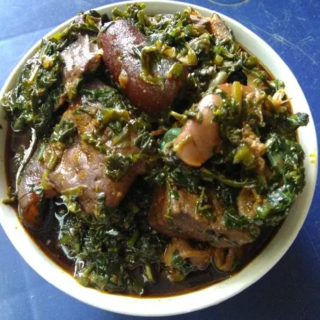
Edikaikong Soup with Snail
Edikaikong soup with snail is one of those dishes that instantly takes me backto home. The first time I cooked this soup on my own, I truly understood why it isconsidered a pride of the Efik and Ibibio people of Southern Nigeria.
Ingredients
- 2 cups finely chopped ugwu (fluted pumpkin) leaves
- 2 cups finely chopped waterleaf
- 10–12 medium-sized snails, cleaned and parboiled
- 1 cup assorted meat (beef or goat meat), cooked till tender
- 1 cup stockfish, soaked and cooked
- 1/2 cup smoked fish, deboned
- 1 cup periwinkle (optional but traditional)
- 1 cup palm oil
- 2 tablespoons ground crayfish
- 1 medium onion, finely chopped
- 2–3 scotch bonnet peppers (ata rodo), blended
- 2 seasoning cubes (or to taste)
- Salt to taste
- 1–2 cups meat stock (as needed)
Instructions
- Prepare the vegetables: I start by washing the waterleaf and ugwuleaves thoroughly. I squeeze out excess water from the waterleaf and chop bothvegetables very finely. I set them aside separately because they go into the potat different times.
- Cook the proteins: In a pot, I add the assorted meat, choppedonions, seasoning cubes, and a little salt. I cook until the meat becomes tenderand flavorful. Once done, I add the stockfish and allow everything to simmer forabout 5 minutes.
- Add palm oil: I reduce the heat slightly and pour in the palm oil.I let it heat gently without bleaching. This step is very important because burntpalm oil will ruin the taste of edikaikong soup with snail.
- Season the base: Next, I add the blended pepper and ground crayfish.I stir well and allow the mixture to cook for about 5–7 minutes so the pepper losesits raw taste.
- Add seafood and snail: I gently add the smoked fish, periwinkle,and snails. I stir carefully to avoid breaking the snail meat. At this point, Iadd some meat stock to loosen the soup if it feels too thick.
- Add waterleaf: I add the chopped waterleaf first and stir well.I allow it to cook for about 5 minutes. The waterleaf will release moisture andblend into the soup.
- Add ugwu leaves: Finally, I add the chopped ugwu leaves. I stirgently and cook for another 3–5 minutes. I taste and adjust salt if needed.
- Final check: Once everything is well combined and the vegetablesare just tender, I turn off the heat. Edikaikong soup with snail is best when thevegetables are not overcooked.