Nigerian soup recipes are some of the most flavorful, rich, and culturally important dishes you will ever taste. Growing up around Nigerian cooking, I quickly realized that soups are the heart of many meals across the country. Whether served with pounded yam, fufu, eba, semovita, or amala, these soups bring families together around the dining table. Every region in Nigeria has its own variations, cooking styles, and secret ingredients that make each dish special.
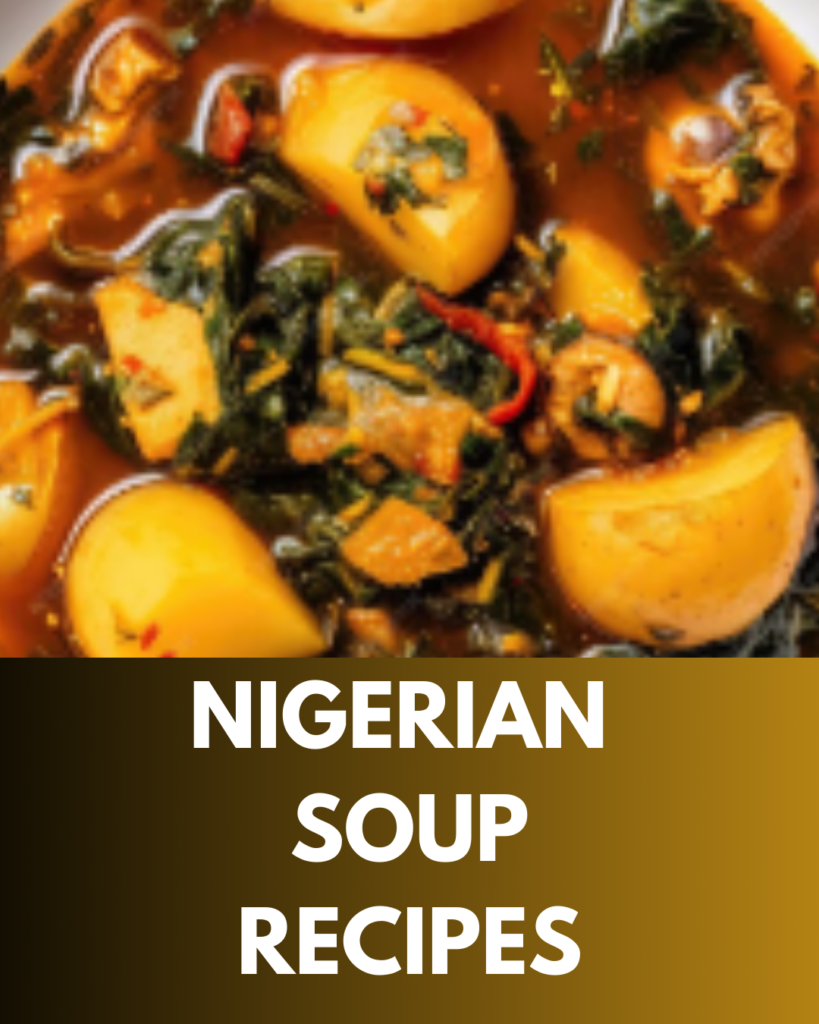
What makes Nigerian soup recipes so unique is the combination of fresh vegetables, spices, meats, seafood, and traditional seasonings. The depth of flavor in Nigerian soups is extraordinary. Some are thick and hearty, others are light and spicy, but all of them deliver comforting and satisfying meals. Many of these soups have been passed down for generations, and each family often adds their own twist.
When I cook Nigerian soup recipes, I always appreciate how versatile they are. Some can be prepared quickly for everyday meals, while others are perfect for celebrations, gatherings, or special family occasions. These soups are not just food; they represent culture, heritage, and community.
Another reason Nigerian soup recipes are loved across Africa and beyond is their ability to use simple ingredients to create bold flavors. Palm oil, crayfish, peppers, stockfish, and leafy vegetables come together to produce unforgettable tastes. The balance between spice, richness, and aroma is what makes these soups truly unforgettable.
In this guide, I will walk you through some of the most popular Nigerian soup recipes and explain what makes each one unique. Whether you are new to Nigerian cuisine or already familiar with these dishes, you will discover why these soups remain some of the most beloved foods in West Africa.
- Ogbono Soup Recipe
 I have always loved a good ogbono soup recipe because of its rich texture, deep flavor, and comforting feel. Growing up, this dish was a staple in my home, and every spoonful brings back memories of warm family meals and laughter around the table. Ogbono… Read more: Ogbono Soup Recipe
 - Smoked Catfish Pepper Soup (Authentic Nigerian Recipe)
 Smoked Catfish Pepper Soup is one of those comforting Nigerian dishes that instantly warms the body and lifts the spirit. From the very first spoonful, the bold aroma of traditional spices combined with the deep smokiness of catfish makes this soup unforgettable. I grew up… Read more: Smoked Catfish Pepper Soup (Authentic Nigerian Recipe)
 - Edikaikong Soup with Snail (Edikang Ikong)
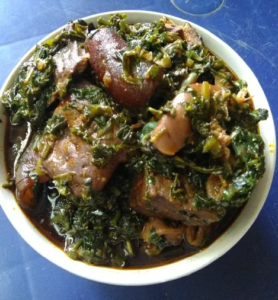 Edikaikong soup with snail is one of those dishes that instantly takes me backto home. The first time I cooked this soup on my own, I truly understood why it isconsidered a pride of the Efik and Ibibio people of Southern Nigeria. From thedeep green… Read more: Edikaikong Soup with Snail (Edikang Ikong)
 - Edikaikong Soup Recipe (Edikang Ikong)
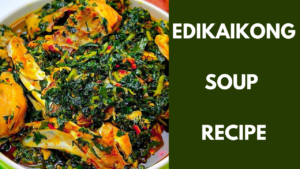 This Edikaikong soup recipe holds a very special place in my kitchen and my heart.If you love rich, hearty Nigerian soups that are packed with vegetables and deep traditional flavors, then this recipe is for you. Edikaikong soup originates from the Efik and Ibibio people… Read more: Edikaikong Soup Recipe (Edikang Ikong)
 - Afang Soup with Periwinkle
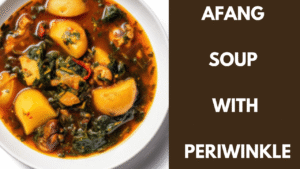 Afang Soup with Periwinkle is a beloved traditional dish from the Efik and Ibibio tribes of southern Nigeria. Known for its deep, earthy flavor and rich, nutrient-packed ingredients, this soup is often served during celebrations, weddings, and family gatherings. The blend of Afang (wild spinach)… Read more: Afang Soup with Periwinkle
 - Gbanunu Soup Recipe (Marugbo/Eweta Soup)
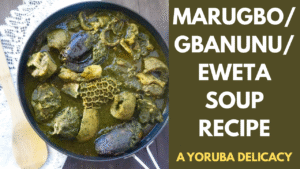 Introduction Gbanunu is the same soup known in some regions as Marugbo or Eweta (sometimes spelled Marugbo), a popular delicacy among the Ondo people (a subgroup of the Yoruba ethnicity). Gbanunu/Marugbo/Eweta Soup is a hearty, smoky, and aromatic West African soup made with assorted meats,… Read more: Gbanunu Soup Recipe (Marugbo/Eweta Soup)
 - Oha Soup with Cocoyam Recipe
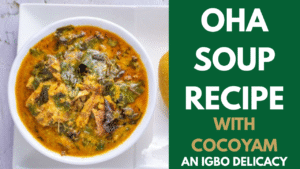 Oha Soup (also called Ora soup) is a beloved Igbo delicacy from southeastern Nigeria. It’s a comforting vegetable soup made from tender oha leaves and thickened with cocoyam, yielding a smooth, velvety texture and a deeply savory flavor. This recipe walks you through how to… Read more: Oha Soup with Cocoyam Recipe
 - Oha Soup Recipe
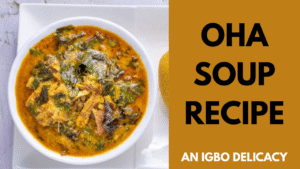 Oha Soup — Authentic Nigerian Oha (Ora) Soup Prep this beloved Igbo classic in under an hour. This recipe is balanced, aromatic, and tuned for home cooks who want bold, comforting West African flavors. Prep: 20 mins Cook: 40 mins Total: 1 hr Yield: 6… Read more: Oha Soup Recipe
 - Oha Soup Recipe without Cocoyam
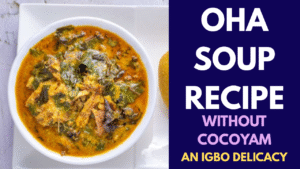 A lighter, equally comforting version of classic Oha soup — thickened without cocoyam. This recipe uses achi (or ground egusi) and a mix of flavors to create the smooth, aromatic soup beloved across Nigeria. Oha Soup (No Cocoyam) Serves 6 • Comforting, aromatic, and naturally… Read more: Oha Soup Recipe without Cocoyam
 - Efo Riro Soup Recipe
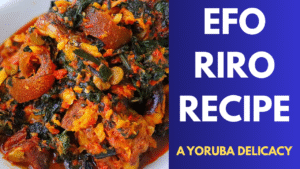 Efo Riro is a beloved West African dish from Nigeria — a rich, flavorful spinach stew cooked with blended peppers, onions, palm oil, and your choice of protein. This easy efo riro soup recipe brings the smoky, peppery taste of Nigerian home cooking to your… Read more: Efo Riro Soup Recipe
Different Nigerian Soup Recipes You Should Know
There are many Nigerian soup recipes, each with its own flavor profile, ingredients, and cooking method. Some soups are thick and nutty, others are vegetable-heavy, while some are spicy and aromatic. Exploring these soups is like exploring the diverse cultures of Nigeria itself. Below are some of the most popular Nigerian soups that many households cook regularly.
Egusi Soup
Egusi soup is one of the most famous Nigerian soup recipes. It is made from ground melon seeds known as egusi, which create a thick, rich base for the soup. When cooked with palm oil, meat, fish, leafy vegetables, and spices, egusi soup develops a nutty and savory flavor that many people love.
What I enjoy most about egusi soup is its hearty texture. The ground melon seeds absorb the flavors of the broth and spices, making every spoonful incredibly satisfying. Many families cook egusi soup with assorted meats like beef, tripe, cow skin, and smoked fish to give it even more depth.
Egusi soup pairs beautifully with pounded yam, eba, and semovita. It is also a popular choice for family gatherings and celebrations because it is filling and loved by many people.
Ogbono Soup
Another classic among Nigerian soup recipes is ogbono soup. This soup is made from ground ogbono seeds, which come from wild mango trees. When cooked, the seeds create a thick and slightly stretchy texture that makes the soup unique.
Ogbono soup has a rich, savory flavor that blends perfectly with palm oil, crayfish, meats, and vegetables. The texture is often described as silky or drawy, which is one of the characteristics that fans of the soup appreciate the most.
I often recommend ogbono soup to anyone looking to explore authentic Nigerian soup recipes because it is both simple to cook and incredibly satisfying. It is commonly served with eba or pounded yam.
Okra Soup
Okra soup is another well-loved dish in the collection of Nigerian soup recipes. This soup uses chopped okra as the primary ingredient, which gives it a naturally thick and slightly slippery texture. Okra soup is known for being both nutritious and quick to prepare.
Many people enjoy okra soup because it allows for flexibility in ingredients. You can cook it with seafood, beef, goat meat, or a mixture of everything. Palm oil, peppers, crayfish, and seasoning cubes enhance the flavor while vegetables add freshness.
One thing I appreciate about okra soup is how easy it is to cook on busy days. Despite its simplicity, it still delivers the deep flavors that make Nigerian soup recipes so appealing.
Afang Soup
Afang soup is a vegetable-based soup that originates from the southern region of Nigeria. It is especially popular among the Efik and Ibibio people. This soup combines afang leaves with waterleaf to create a rich, slightly chewy vegetable dish.
Afang soup often includes ingredients such as smoked fish, stockfish, periwinkles, and assorted meats. Palm oil and ground crayfish add a strong savory taste that makes the soup unforgettable.
Among Nigerian soup recipes, afang soup stands out for its bold vegetable flavor and nutrient-rich ingredients. It is usually served with pounded yam or garri.
Bitterleaf Soup
Bitterleaf soup is another traditional dish that holds a special place in Nigerian cuisine. As the name suggests, it uses bitterleaf as the main vegetable. However, the leaves are thoroughly washed to reduce the bitterness while still maintaining their unique flavor.
This soup typically includes cocoyam paste as a thickener along with palm oil, meats, and spices. The result is a rich, hearty soup that is deeply satisfying.
Many people consider bitterleaf soup one of the most traditional Nigerian soup recipes because it reflects the cooking techniques and ingredients that have been used for generations.
Edikang Ikong Soup
Edikang Ikong soup is known as one of the most nutritious Nigerian soup recipes. It is loaded with leafy vegetables, primarily pumpkin leaves and waterleaf. This soup is very popular in southern Nigeria and is often prepared for special occasions.
What makes edikang ikong soup unique is the large amount of vegetables used in the recipe. Combined with palm oil, meats, seafood, and spices, the soup becomes both healthy and flavorful.
I love cooking this soup when I want something nourishing yet delicious. The vegetable richness makes it one of the most satisfying Nigerian soups available.
Oha Soup
Oha soup is another traditional favorite among Nigerian soup recipes. It is especially popular in eastern Nigeria and is made using fresh oha leaves. The soup is thickened using cocoyam paste and flavored with palm oil, meats, and spices.
The flavor of oha soup is distinctive because the leaves have a mild yet slightly earthy taste. Combined with the creamy cocoyam thickener, the result is a smooth and rich soup.
Oha soup is often served with fufu or pounded yam, making it a comforting and traditional Nigerian meal.
White Soup (Ofe Nsala)
White soup, also known as Ofe Nsala, is another remarkable example of Nigerian soup recipes. Unlike many other soups that use palm oil, white soup is prepared without it, giving the dish a lighter appearance.
The soup is typically made with catfish, spices, and yam as a thickener. The result is a spicy, aromatic broth that highlights the natural flavor of the fish.
I often recommend white soup to anyone looking for something lighter yet still packed with flavor. It proves that Nigerian soup recipes can be diverse and adaptable.
Banga Soup
Banga soup is made from palm fruit extract and is especially popular in the Niger Delta region. The soup has a rich, reddish color and a deep, slightly smoky flavor.
Traditional spices such as ataiko, irugeje, and oburunbebe are often used to create the authentic flavor of this dish. Combined with fish, meat, and sometimes seafood, the result is a rich and comforting soup.
Among Nigerian soup recipes, banga soup is particularly famous for its unique blend of spices and intense flavor.
Ewedu Soup
Ewedu soup is a traditional Yoruba dish made from jute leaves. The leaves are cooked and blended into a smooth, green soup that is usually served with amala.
Ewedu soup is often paired with stew and gbegiri to create a classic Yoruba meal. Despite its simple ingredients, the soup is incredibly flavorful and comforting.
This dish shows that Nigerian soup recipes do not always need complex ingredients to be delicious.
Frequently Asked Questions (FAQs)
What is the most popular Nigerian soup?
Egusi soup is often considered the most popular among Nigerian soup recipes. It is widely cooked across many regions and is loved for its rich, nutty flavor and hearty texture.
What do Nigerians eat with soup?
Nigerian soups are usually eaten with swallow foods such as pounded yam, eba, fufu, semovita, or amala. These foods are used to scoop the soup and enjoy the rich flavors.
Are Nigerian soups healthy?
Many Nigerian soup recipes are very nutritious because they contain vegetables, proteins, and healthy oils. Soups like edikang ikong and afang are particularly rich in vitamins and minerals.
Can Nigerian soups be stored?
Yes, most Nigerian soups store very well. They can be refrigerated for several days or frozen for longer periods without losing flavor.
Are Nigerian soups spicy?
Some Nigerian soup recipes can be spicy depending on the amount of pepper used. However, the spice level can always be adjusted to personal preference.
Conclusion
Nigerian soup recipes represent the heart and soul of Nigerian cuisine. Each soup tells a story about culture, tradition, and family gatherings. From the rich nuttiness of egusi soup to the vegetable-packed goodness of edikang ikong, these soups offer something for everyone.
I always find joy in preparing Nigerian soup recipes because they bring warmth and comfort to the table. The combination of spices, meats, vegetables, and traditional ingredients creates unforgettable meals that people love sharing with family and friends.
If you are exploring Nigerian cooking for the first time, these soups are the perfect place to start. Try different recipes, experiment with ingredients, and discover the incredible variety that Nigerian cuisine offers.
Once you begin cooking Nigerian soup recipes, you will quickly understand why they remain some of the most beloved dishes across Africa and beyond.
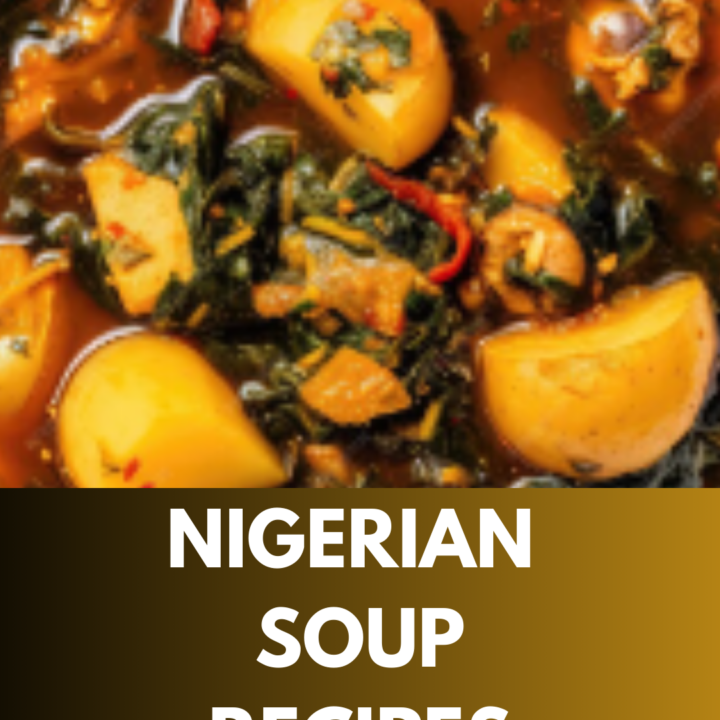
Nigerian Soup Recipes
Nigerian soup recipes are some of the most flavorful, rich, and culturally important dishes you will ever taste. Growing up around Nigerian cooking, I quickly realized that soups are the heart of many meals across the country. Whether served with pounded yam, fufu, eba, semovita, or amala, these soups bring families together around the dining table.
Ingredients
- Egusi Soup
- Ogbono Soup
- Okra Soup
- Afang Soup
- Bitterleaf Soup
- Edikang Ikong Soup
- Oha Soup
- White Soup (Ofe Nsala)
- Banga Soup
- Ewedu Soup
Notes
- Egusi Soup – Made with ground melon seeds, palm oil, meats, fish, and leafy vegetables; thick, nutty, and hearty. Perfect with pounded yam or eba.
- Ogbono Soup – Uses ground ogbono seeds for a stretchy, silky texture; often cooked with meats, fish, palm oil, and spices. Best with eba or fufu.
- Okra Soup – Made from chopped okra for a naturally slippery texture; can include seafood, beef, or goat; quick and nutritious.
- Afang Soup – A leafy vegetable-rich soup from southern Nigeria; combines afang leaves and waterleaf with meats and smoked fish.
- Bitterleaf Soup – Made with washed bitter leaves, cocoyam paste, meats, and spices; slightly bitter but very flavorful and traditional.
- Edikang Ikong Soup – Extremely rich in leafy vegetables like pumpkin leaves and waterleaf; includes meats, fish, and palm oil; very nutritious.
- Oha Soup – Eastern Nigerian soup using fresh oha leaves; thickened with cocoyam paste and cooked with meats and palm oil.
- White Soup (Ofe Nsala) – Palm oil-free soup, often with catfish and yam thickener; light, spicy, and aromatic.
- Banga Soup – Made from palm fruit extract; has a rich, reddish color and smoky flavor; usually includes fish, meat, and traditional spices.
- Ewedu Soup – Yoruba soup made from jute leaves; smooth and green; usually served with amala and paired with stew or gbegiri.